Captivating Aerial Views: Enhance Your Visual Storytelling
- ernesto798
- 4 days ago
- 4 min read
In a world where visual content reigns supreme, the ability to tell a story through captivating imagery is more important than ever. Aerial photography offers a unique perspective that can transform ordinary scenes into extraordinary narratives. Whether you are a filmmaker, a travel blogger, or simply someone who appreciates the beauty of the world from above, understanding how to effectively use aerial views can elevate your visual storytelling to new heights.
The Power of Aerial Photography
Aerial photography captures images from an elevated perspective, often using drones or aircraft. This technique provides a broader view of landscapes, architecture, and events, allowing viewers to appreciate the scale and context of a scene. Here are some compelling reasons why aerial photography is a game-changer for visual storytelling:
Unique Perspectives: Aerial views can reveal patterns and shapes that are not visible from the ground. This can add depth and intrigue to your visuals.
Contextual Understanding: By showing the relationship between different elements in a scene, aerial photography helps viewers understand the bigger picture.
Emotional Impact: High-angle shots can evoke feelings of awe and wonder, making your story more engaging.

Choosing the Right Equipment
To capture stunning aerial images, you need the right equipment. Here are some essential tools to consider:
Drones
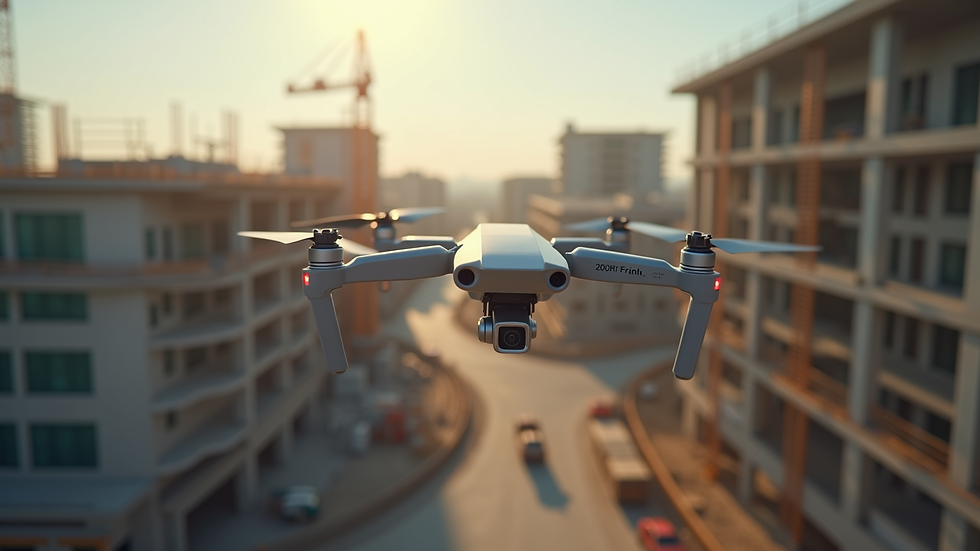
Drones have revolutionized aerial photography, making it accessible to everyone. When selecting a drone, consider the following features:
Camera Quality: Look for drones with high-resolution cameras that can shoot in 4K or higher.
Stability: A drone with good stabilization technology will help you capture smooth, clear images.
Flight Time: Longer battery life allows for extended shooting sessions, giving you more opportunities to capture the perfect shot.
Gimbals and Stabilizers
If you plan to shoot from a helicopter or airplane, using a gimbal or stabilizer is crucial. These devices help eliminate camera shake, resulting in smoother footage.
Editing Software
Post-processing is an essential part of aerial photography. Software like Adobe Lightroom or Photoshop can help you enhance colors, adjust exposure, and crop images for better composition.
Techniques for Captivating Aerial Shots
Once you have the right equipment, it's time to master the techniques that will make your aerial photography stand out. Here are some tips to keep in mind:
Composition
Just like traditional photography, composition plays a vital role in aerial shots. Consider the following guidelines:
Rule of Thirds: Position key elements along the grid lines or at their intersections to create a balanced image.
Leading Lines: Use natural lines, such as roads or rivers, to guide the viewer's eye through the image.
Framing: Look for natural frames, such as trees or buildings, to add depth to your shots.
Lighting
Lighting can make or break your aerial photography. The golden hour—shortly after sunrise or before sunset—provides soft, warm light that enhances colors and textures. Avoid shooting in harsh midday sunlight, which can create unflattering shadows.
Experiment with Angles
Don't be afraid to experiment with different angles and heights. A high-angle shot can provide a dramatic overview, while a lower angle can create intimacy with the subject. Try to capture a variety of perspectives to keep your visual story dynamic.
Telling a Story Through Aerial Views
Aerial photography is not just about capturing beautiful images; it's about telling a story. Here are some strategies to help you convey your narrative effectively:
Establishing Context
Begin your visual story with wide shots that establish the setting. This helps viewers understand where the action is taking place. For example, if you're documenting a festival, start with an aerial view of the entire venue before zooming in on specific activities.
Highlighting Key Moments
As your story unfolds, use aerial shots to highlight key moments. For instance, if you're filming a wedding, capture the couple's first dance from above to showcase the atmosphere and the surrounding guests.
Creating Emotional Connections
Aerial photography can evoke strong emotions. Use close-up shots of individuals or groups engaged in meaningful activities to create a connection with your audience. This can be particularly effective in travel storytelling, where you want to convey the joy of exploration.
Case Studies: Successful Aerial Storytelling
To illustrate the power of aerial photography in storytelling, let's look at a few examples:
Travel Documentaries
Many travel documentaries use aerial shots to showcase breathtaking landscapes. For instance, the series "Planet Earth II" features stunning aerial views of wildlife and natural habitats, immersing viewers in the beauty of our planet.
Real Estate Marketing
In real estate, aerial photography is used to highlight properties and their surroundings. Aerial shots can showcase large estates, proximity to amenities, and unique features that ground-level photos may miss.
Event Coverage
Aerial photography is increasingly popular for event coverage, such as festivals or marathons. Capturing the event from above provides a unique perspective that can convey the scale and energy of the occasion.
Legal Considerations for Aerial Photography
Before you take to the skies, it's essential to understand the legal considerations surrounding aerial photography. Here are some key points to keep in mind:
FAA Regulations
In the United States, the Federal Aviation Administration (FAA) regulates drone usage. Ensure you are familiar with the rules regarding altitude, airspace, and no-fly zones. Obtaining a Remote Pilot Certificate may also be necessary for commercial use.
Privacy Concerns
Respect the privacy of individuals when capturing aerial images. Avoid flying over private property without permission and be mindful of local laws regarding photography.
Insurance
Consider obtaining insurance for your drone and photography equipment. This can protect you from potential liabilities and damages.
Conclusion
Captivating aerial views have the power to enhance your visual storytelling significantly. By understanding the equipment, techniques, and legal considerations involved, you can create stunning imagery that resonates with your audience. Whether you're documenting a travel adventure, covering an event, or showcasing a property, aerial photography can elevate your narrative and leave a lasting impression.
As you embark on your aerial photography journey, remember to experiment, tell compelling stories, and always respect the environment and the people around you. With practice and creativity, you can master the art of aerial storytelling and inspire others with your unique perspective.

Comments